Imagine sipping your morning coffee as the sun rises over the water, right from your backyard in Lake Nona. It sounds simple, but not all “waterfront” in this area means the same thing. If you want the view and the lifestyle without surprises, you need to know exactly what type of water you’re buying on and what rules come with it. In this guide, you’ll learn how Lake Nona defines waterfront and canal lots, how water type affects value, what to ask about HOAs and CDDs, flood and insurance basics, and the red flags to watch for. Let’s dive in.
Waterfront and canal types in Lake Nona
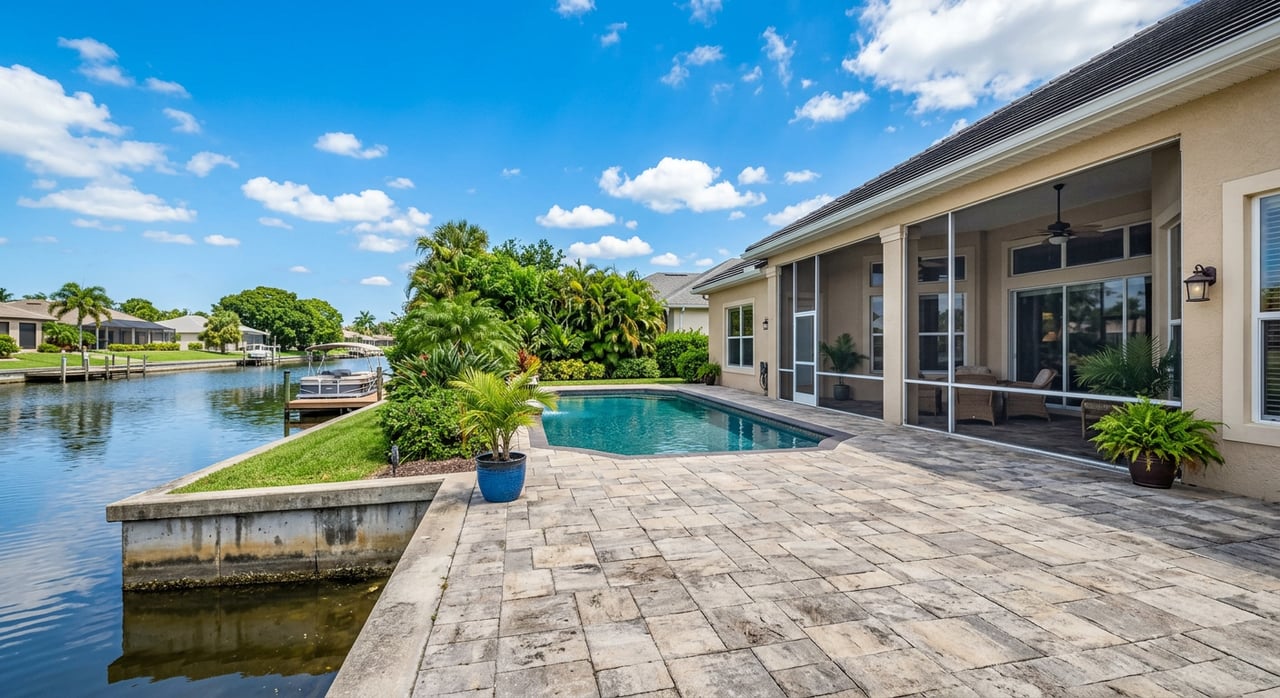
Not all water is equal in Lake Nona. The master plan includes a mix of engineered lakes, stormwater ponds, canals, and preserved natural areas. Many neighborhoods are marketed for “water or preserve views,” but that can mean very different things from home to home.
- Direct lakefront on a natural, navigable waterbody. These lots may include riparian rights and the potential for docks, subject to permits and rules.
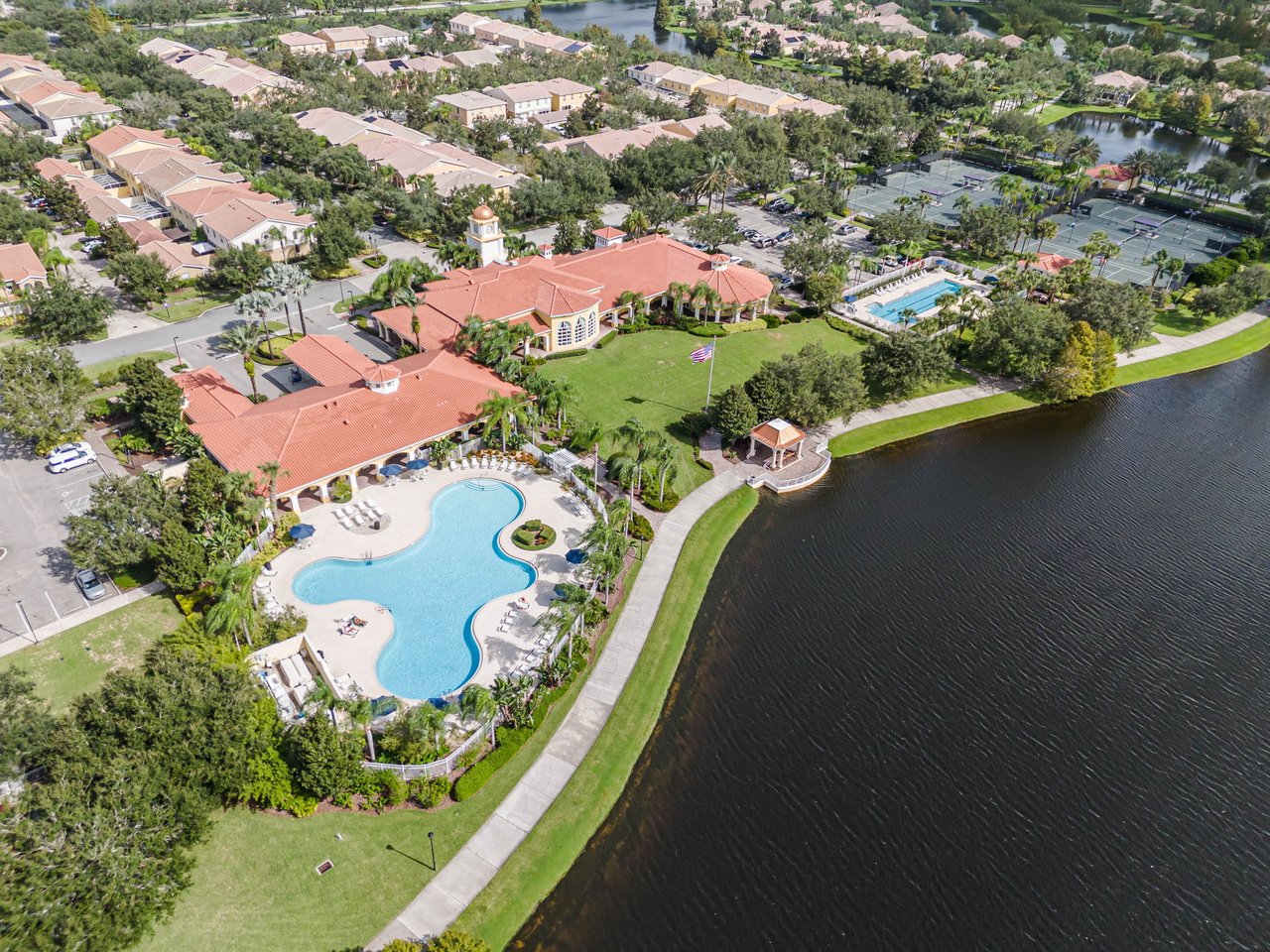
- Engineered stormwater lakes or ponds owned by a community entity. These are common in Lake Nona and often look like natural lakes. They can carry restrictions on docks, boating, or access.
- Preserve or conservation view. Your lot may back to a conservation buffer with water beyond it, but you may have no legal access to the water.
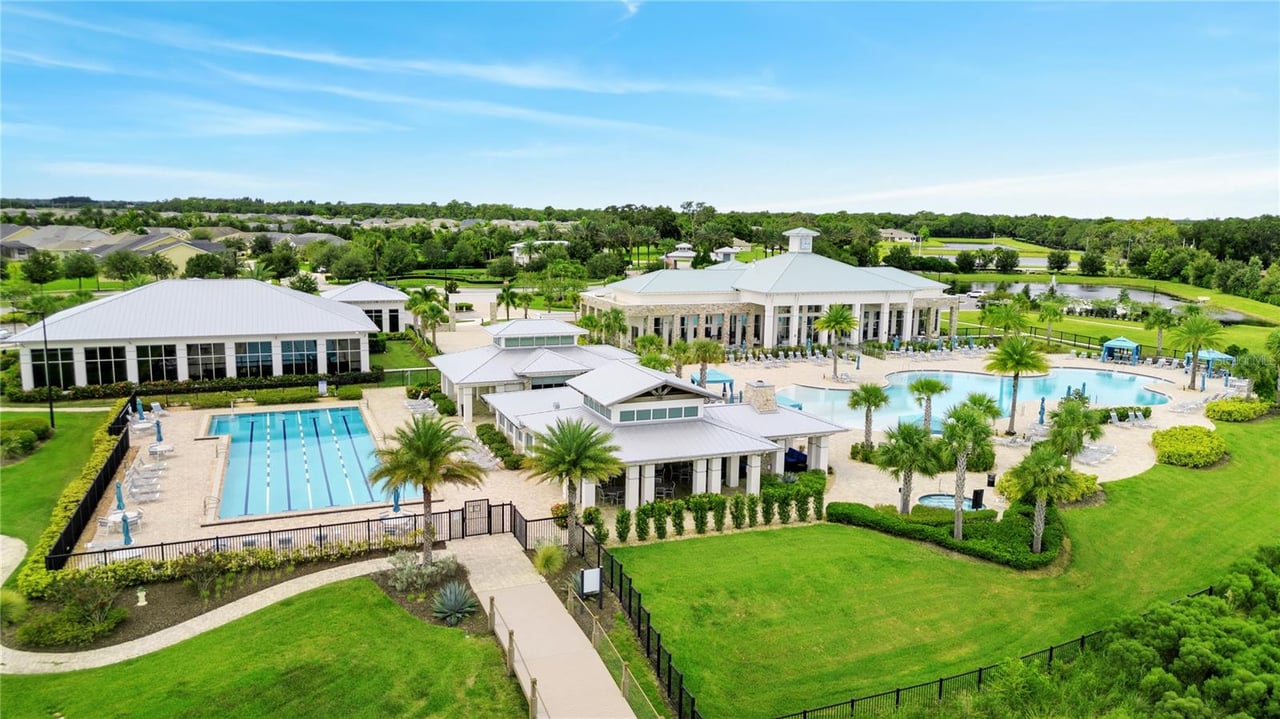
Neighborhoods like VillageWalk market homes with water and preserve views, and often include exterior or landscaping services in HOA dues, which is a lifestyle perk buyers appreciate. You can see how communities describe these features on local pages like the VillageWalk overview and new enclaves such as Laurel Pointe on the official Lake Nona site.
How water type affects value
Water views and access often command a premium, but it’s not a fixed number. Academic studies show that value depends on several factors, including whether you are truly lakefront, water clarity, view width, and whether you can use the water for recreation. A nationwide meta‑analysis found that better water quality can add measurable value to nearby homes and that effects are strongest close to the shoreline. You can review those findings in the peer‑reviewed synthesis on water quality and property values.
Here’s the practical takeaway for Lake Nona buyers:
- Direct, usable lakefront with wide, unobstructed views usually sits in a higher price tier than off‑water homes in the same neighborhood.
- Engineered stormwater lakes can still drive strong premiums for views and privacy, but restrictions on docks or boating can reduce recreational value.
- Water quality, historical advisories, and maintenance practices matter for both enjoyment and resale.
To understand the premium for a specific home, compare true waterfront vs off‑water solds within the same subdivision. Context beats averages every time.
Who owns and maintains the water
Understanding who owns the lake or canal and who maintains it will shape your costs and what you can do with the property.
- Community Development District (CDD). In Florida master‑planned communities, a CDD often finances, owns and operates public‑type infrastructure like stormwater lakes, canals, pumps, and related systems. CDD assessments typically appear as separate non‑ad valorem line items on your property tax bill. Learn how CDDs and HOAs commonly split responsibilities in this CDD vs HOA explainer.
- Homeowners Association (HOA). HOAs enforce covenants and maintain amenities and landscaping in common areas. Some Lake Nona villages advertise bundled exterior or irrigation services in HOA dues; always confirm exactly what is included by reviewing the HOA budget and service schedule. The VillageWalk community page offers an example of how these services are presented.
- State and riparian context. On natural navigable waters, Florida recognizes riparian rights, but building docks or other structures often requires state consent if you extend onto state‑owned submerged lands. Multiple layers of approval may apply. See this overview of riparian rights and state permissions.
Docks, seawalls, and permits
Before you assume you can add a dock or boat lift, confirm the rules. Even if your home faces a large waterbody, three types of approvals can be involved:
- State permissions when sovereignty lands are affected.
- Water‑management district or stormwater approvals for activity in engineered systems.
- County or city building permits.
On top of that, your HOA or CDD may have deed restrictions on the size, style, or even the existence of private docks and bulkheads. When in doubt, verify recorded ownership of the lakebed, pull copies of any dock leases or easements, and get HOA/CDD rules in writing. Florida’s riparian and permitting summary is a helpful starting point for understanding the framework.
Flood risk and insurance basics
Most standard homeowners policies exclude flood damage. If a lender determines that your property lies within a FEMA Special Flood Hazard Area (Zones A/AE/VE), flood insurance is typically required for the life of the loan. Start with FEMA’s resources on flood risk and coverage basics.
Two tips can save you time and money:
- Ask for an Elevation Certificate. For homes in or near mapped floodplains, this survey document helps insurers price your policy accurately. Without it, you may get conservative, higher estimates. Learn how elevation data affects rating in this county guide to FEMA map changes and Elevation Certificates.
- Shop early and compare options. Many flood claims occur outside FEMA high‑risk zones, so get quotes even if the map shows low risk. In Florida’s changing insurance market, early planning helps you avoid surprises at closing.
Lifestyle perks and tradeoffs
Lake Nona communities market an easy, outdoor lifestyle: long water views, trails, and the chance to fish or launch a kayak or SUP where allowed. Neighborhoods like VillageWalk highlight resort‑style amenities with homes backing to water or preserve for extra visual privacy. You can see how this is presented on the VillageWalk overview.
That said, many engineered lakes were built primarily for stormwater management. They may have depth limits or rules that prohibit motorized boats, private docks, or swimming. Waterbodies also undergo routine aquatic‑vegetation management. Before you buy, check historical advisories and treatment logs. Orange County’s Water Atlas centralizes local lake information and public notices; it’s a useful reference for lake advisories and resources.
Buyer checklist: Lake Nona waterfront due diligence
Use this checklist to confirm the essentials before you make an offer. Ask for copies of documents and get answers in writing.
Ownership and rights
- Who owns the adjacent waterbody and lakebed (HOA, CDD, developer, county, or private)? Request plats, recorded deeds, and easements. Limited ownership can limit riparian rights. See Florida’s riparian rights summary.
Permits and recorded consents
- Are there recorded leases, easements, or state permissions for any dock or bulkhead? Ask for local and water‑management permits for all past shoreline work. Verify any FEMA map amendments (LOMR/LOMA) if referenced. Reference: state permitting overview.
HOA and master association
- Get the full HOA packet. Confirm which services dues include (lawn, irrigation, bulkhead or shoreline care, lake weed control). Ask about pending special assessments, reserves, and any lake‑related litigation. Community examples of bundled services are shown on VillageWalk’s page.
CDD responsibilities
- If a CDD exists, request the latest O&M budget and debt schedule. Confirm whether lake and pump operations are CDD responsibilities that create separate assessments on your tax bill. Learn how this typically works in the CDD vs HOA explainer.
Flood history and insurance
- Ask the seller for prior flood and insurance claim history for the home and block. Request any existing Elevation Certificate and get preliminary NFIP and private flood quotes. See FEMA’s flood insurance basics.
Water quality and management
- Request lake management logs: herbicide/algaecide treatments, dredging, aquatic plant control, and any fisheries management. Check county records for public health advisories via the Orange County Water Atlas.
Dock and seawall condition
- If a dock or seawall exists, obtain an inspection plus permits and repair records. Confirm who pays for future repairs (owner vs HOA vs CDD). Florida’s riparian and permitting guidance outlines typical approvals.
Use restrictions
- Verify rules on motorized boats, lifts, docks, and rental of slips. Many retention lakes prohibit these uses. Get the HOA/CDD rule in writing. The county Water Atlas helps contextualize local lake notices and usage.
Title and survey
- Order a current survey showing the legal waterline, lot boundaries, and recorded easements. Ask your title company to flag any encumbrances tied to the water. When possible, get your surveyor’s confirmation of the waterline as platted.
Neighborhood comparables
- Compare recent waterfront vs off‑water solds inside the same subdivision to quantify the local premium. Rely on up‑to‑date MLS data rather than national averages or general rules.
Red flags to catch early
- Existing docks or bulkheads without permits or recorded consent.
- A history of frequent lake herbicide or algae advisories near the home.
- No clear documentation of who owns or maintains the lakebed or infrastructure.
- Signs of bulkhead or seawall failure, undermining, or deferred maintenance with low reserves.
- Property in a mapped high‑risk flood zone without an Elevation Certificate or viable flood quotes.
Next steps
If you love the idea of waterfront or canal living in Lake Nona, the key is clarity. Verify the type of water, confirm who owns and maintains it, understand the rules for docks, and price the home with local comps. With the right guidance, you can capture the view and lifestyle you want while avoiding avoidable surprises.
If you’re ready to tour Lake Nona waterfront options or want a second set of eyes on due diligence, reach out to the Sanz Luxury Team. Our Lake Nona expertise, builder relationships, and concierge approach make complex waterfront purchases feel simple.
FAQs
What does “waterfront” mean in Lake Nona listings?
- It may mean direct lakefront, an engineered stormwater lake, or a preserve view with no water access. Always confirm the waterbody type, ownership, and allowed uses with the HOA/CDD and recorded documents.
Can you build a dock on Lake Nona canals or ponds?
- Sometimes, but permissions vary. Docks often require state, water‑management, and local approvals, plus HOA/CDD consent. Review Florida’s riparian and permitting framework and get all approvals in writing.
Do Lake Nona waterfront homes require flood insurance?
- If a lender determines the home is in a FEMA Special Flood Hazard Area, flood insurance is typically required. Check FEMA’s FloodSmart resources and ask for an Elevation Certificate to help price coverage.
Who pays for lake or canal maintenance in master‑planned communities?
- Often a CDD funds and manages stormwater systems, while the HOA handles covenants and common‑area services. Review the CDD budget and HOA documents, and see this CDD vs HOA overview.
Do water quality and advisories affect resale value?