St. Cloud's Short-Sale Listings Aren't the Bargain Signal They Look Like
October 1, 2026
October 1, 2026
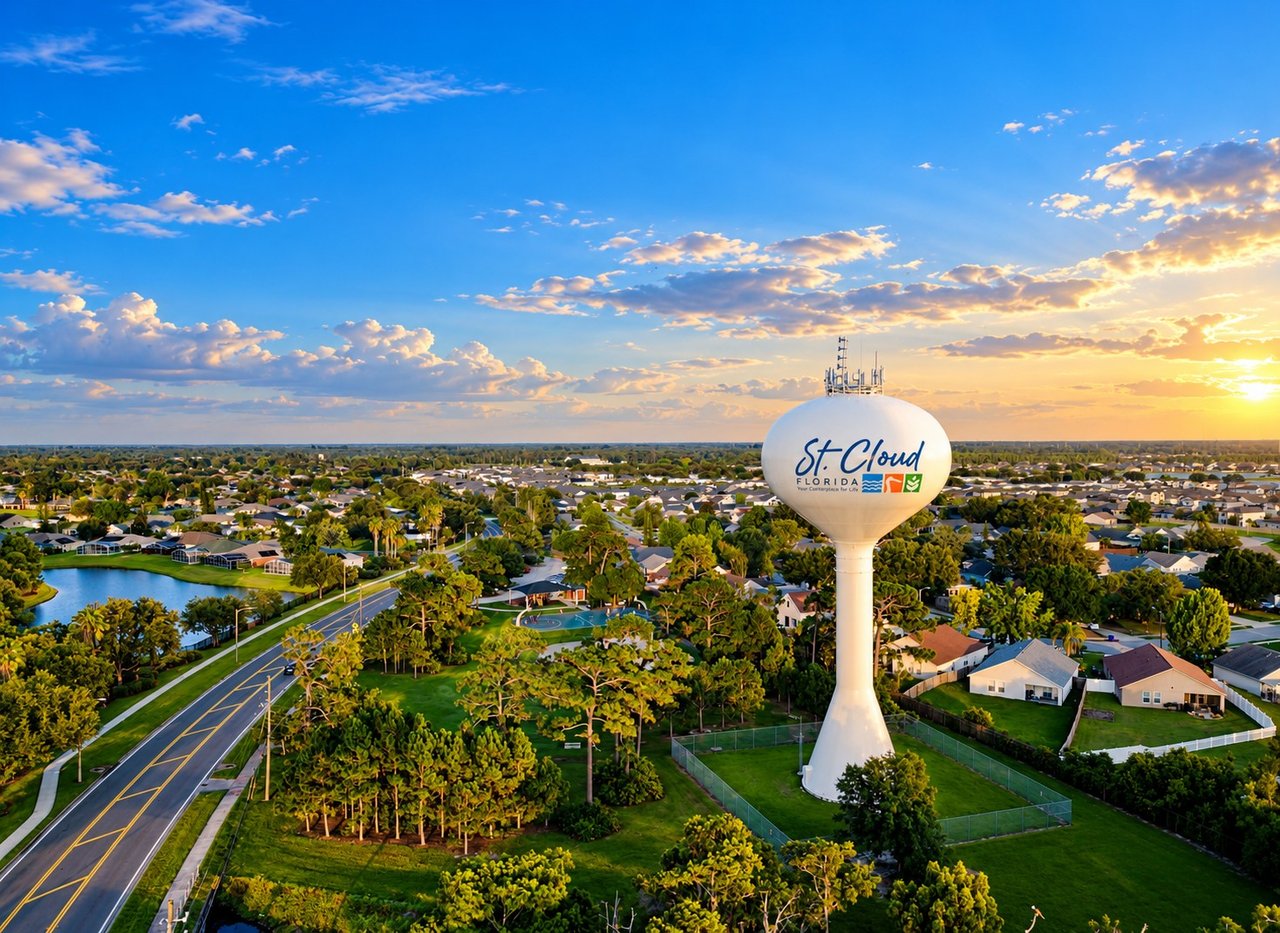
"The numbers show us once again why real estate is hyperlocal." That line opens a St. Cloud market report from August 2026, and it undersells what the report actually found. Buried in the same update is a number that a lot of buyers scrolling MLS filters for St. Cloud will misread: 60 properties across the city's ZIP codes carrying active or pending short-sale status, 40 active and 20 pending, tracked across 34769, 34771, 34772 and 34773 along with the Harmony, Harmony West and Harmony Central subdivisions.
If you're comparing St. Cloud against pricier Orlando-area submarkets and you see "short sale" stamped on a listing, the instinct is to read it as a green light. Motivated seller, room to negotiate, maybe a steeper discount than the asking price suggests. That instinct is wrong more often than it's right, and the reason has nothing to do with how badly a seller wants out. It has to do with a mechanic most buyers never encounter until they're already three weeks into an offer.
A short sale is not a status a homeowner chooses because they've fallen behind. It is a status determined by one number: whether the home would sell for enough to pay off what's owed, plus the costs of selling. The August report spells this out directly, and it's worth sitting with because it cuts against the assumption baked into how most buyers browse listings. A homeowner who has missed several mortgage payments and a homeowner who is current on every payment can both end up needing a short sale, or neither might, depending entirely on whether they have equity. Falling behind and needing a short sale are two different conditions that happen to correlate often enough that people conflate them.
The same report describes a case that illustrates the gap. A homeowner who had fallen behind on payments assumed a short sale was the only path out, and reached out believing that was their situation. A review of their numbers showed something different: they had real equity in the property. That changes the entire transaction. Instead of a lender-approved short sale with all the friction that entails, a homeowner in that position can typically sell conventionally and keep what's left after payoff, fees and costs, though the exact outcome depends on their specific payoff balance and closing costs. The missed payments created urgency. They didn't create a short sale.
This matters to a buyer for a very practical reason. If a chunk of the 60 short-sale listings in St. Cloud right now involve sellers who are behind on payments but still hold equity, the pricing on those homes isn't going to reflect distress. It's going to reflect whatever the seller and their agent believe the home is actually worth, because there's no lender loss to negotiate around. The "short sale" tag on the listing tells you about paperwork and approval chains. It does not tell you the price has room to move.
For the smaller subset of St. Cloud short sales that are the real thing, where the home would net less than what's owed, the pricing logic runs opposite to what most buyers expect. A lender has to approve the final sale price before the deal can close, and that lender's entire incentive is to recover as much of the loan balance as they can. Nobody on the bank's side of that approval is trying to hand out a below-market deal. The list price on a genuine short sale tends to get anchored near what the lender needs to see, not below it, and any offer meaningfully under that number typically gets rejected or sits in approval limbo for weeks.
That approval process is the other cost buyers underweight. A conventional St. Cloud closing moves at the pace of inspection, financing and title work. A short sale adds a layer where the seller's lender has to sign off on the price and terms, and that step alone can stretch a closing timeline well past what a buyer expects walking in. Anyone shopping St. Cloud short sales assuming they'll close on a normal schedule is planning around a timeline the transaction structure doesn't support.
There's a second category of distressed inventory that gets lumped in with short sales in casual conversation but runs through a completely different process: bank-owned and foreclosure properties. The same August report put Osceola County's active bank-owned and foreclosure inventory at roughly 35 properties, with 7 more pending, as of the time the data was reviewed. Only two of those REO properties actually sold that month, and both were in Kissimmee, not St. Cloud.
That's a useful number for anyone building a St. Cloud strategy around distressed supply. Short sales and foreclosures are frequently talked about as one bucket, "distressed properties," but they move through entirely different legal channels and involve different sellers, different negotiating counterparts, and different timelines. St. Cloud specifically had essentially no REO activity closing in August 2026. Whatever discount opportunity exists in this market runs through the short-sale pipeline or ordinary resale negotiation, not through bank-owned inventory, because that inventory isn't moving here right now.
None of this happens in a vacuum separate from the rest of the market. Mortgage rates were sitting near 7 percent as of mid-September 2026, which keeps monthly payment math tight regardless of list price. Citywide median sale price figures for St. Cloud in the same window ranged from the low $390,000s to the mid $410,000s depending on which tracker and time frame you're looking at, a spread that on its own reflects how differently ZIP codes inside St. Cloud are performing right now. Some areas are seeing price-per-square-foot gains year over year. Others have softened. A short-sale listing sitting in a ZIP code where prices are climbing is a different conversation than the same label in a ZIP code that's cooling.
That's the part worth carrying into any St. Cloud search. A buyer treating "short sale" as a filter for the best deal in town is running a search that doesn't match how these transactions actually price. A better filter is the seller's actual equity position, which isn't visible on the MLS and takes a conversation to surface, followed by whether the specific ZIP code is holding or losing value. The label on the listing answers neither question.
For a homeowner on the other side of this, the practical step is the same one the report points to: find out what the home would actually sell for and how much equity that leaves before assuming a short sale is the only option. That's not a legal or financial determination, and anyone genuinely behind on payments should loop in a qualified attorney or housing counselor as part of that process. But the starting math, current value against current payoff, is usually knowable well before that conversation needs to happen.
Does a short sale in St. Cloud mean I can offer well under the asking price? Not automatically. The list price on a true short sale is set with the lender's approval in mind, and lenders are trying to recover as much of the loan balance as possible, not hand out discounts. Offers well under list are more likely to stall in approval than to succeed.
How much longer does a short sale take to close compared to a typical St. Cloud sale? Longer, and less predictably. A conventional closing runs on inspection, financing and title timelines. A short sale adds the seller's lender approval step on top of that, and that approval can take weeks with no fixed schedule.
If I'm behind on my mortgage payments, does that automatically make my house a short sale? No. Short-sale status depends on whether selling the home would cover what's owed plus selling costs. A homeowner can be behind on payments and still have equity, in which case a conventional sale, not a short sale, is usually the better path. Confirming your actual equity position is the first step, ideally with guidance from a qualified professional if you're also facing missed payments.
If you're weighing a St. Cloud property that's listed as a short sale, or you're a homeowner trying to figure out whether your own situation actually qualifies as one, the numbers matter more than the label. Sanz Luxury Team can walk through your specific equity position and what it means for your options. Get Your Luxury Home Valuation to start with the number that actually decides this.
This article is general information, not legal, tax or financial advice. Consult a qualified professional about your situation.
Stay up to date on the latest real estate trends.




Looking to sell your home, relocate, or invest in a new construction or custom-built home? The Sanz Luxury Team, powered by eXp Realty, offers a team of highly skilled professionals dedicated to providing exceptional service. With our intelligence, creative problem-solving skills, and proven track record, we're committed to elevating your real estate experience. Let us guide you to success.